The Definitive List: Top 10 Cities to Visit in China, Curated by a 20-Year Veteran
China is not a destination. It is a continent-sized economy masquerading as a nation. Travelers fail when they approach it without surgical precision. Do not rely on random travel blogs written by people who spent two weeks backpacking. This guide is curated by experience. We cut the fluff. We focus on impact, logistics, and historical necessity.
If you are going to visit China, your time is the most valuable asset you have. This list defines the ten locations that provide the absolute maximum return on that investment, balancing history, modernity, and natural spectacle.
Establishing the Criteria: Why These Ten?
The selection process eliminates redundancy. China offers 600+ cities. You cannot see them all. This ranking prioritizes three critical factors for the serious traveler: historical gravitas, logistical infrastructure, and unique cultural density.
We separate the essential historical cores from the modern economic engines. We demand distinct experiences. If two cities offer the same kind of ancient temples, we pick the one with superior access or deeper significance. These are the locations that explain China today.
1. Beijing: The Historical Mandate
You simply must start here. Beijing is the political and cultural center of China. It demands respect. It carries the weight of 800 years of imperial rule and 75 years of Communist Party governance. Failure to understand Beijing means failure to understand China.
The Imperial Core
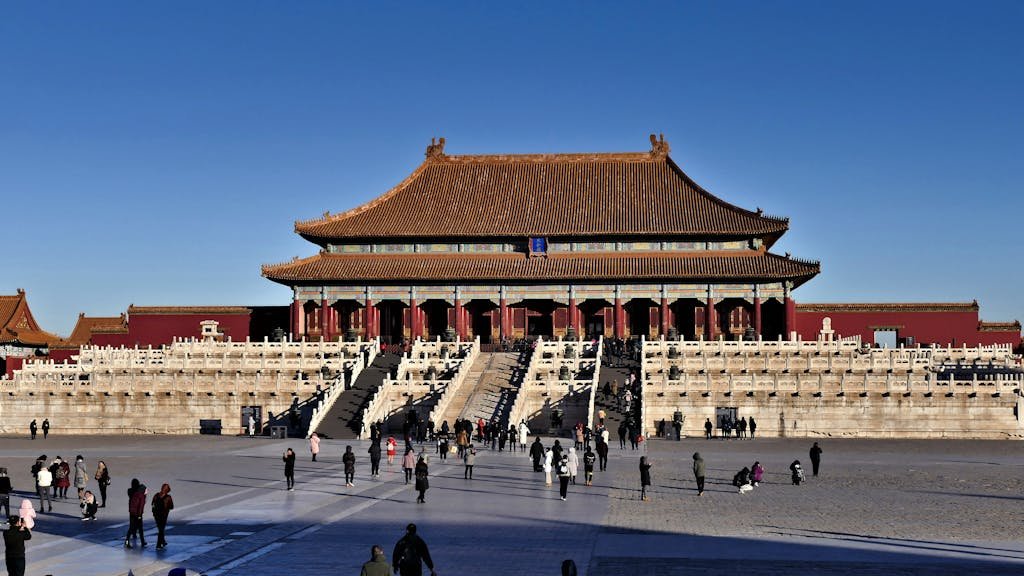
The sheer scale of the historical architecture is overwhelming. The Forbidden City is the center point of the Chinese universe, a masterpiece of rigid, hierarchical design. Skip the crowded gate queues; pre-book everything. This is non-negotiable territory.
- Priority Site: The Great Wall (Mutianyu section offers better views and fewer crowds than Badaling).
- Must-See: Tiananmen Square and the adjacent National Museum. Understand the politics.
- Logistics: World-class airport (PEK, PKX). Excellent subway system.
Beijing is necessary. It is loud. It is essential.
2. Shanghai: The Financial Engine
If Beijing is the head, Shanghai is the wallet. This is the global face of modern Chinese ambition, a city where capitalism moves at hyper-speed. Forget history for a moment. Focus on infrastructure, finance, and pure, relentless verticality.
Shanghai is easier to navigate than Beijing for the first-time visitor. English is slightly more common here. The infrastructure is flawless.
Architecture and Ambition
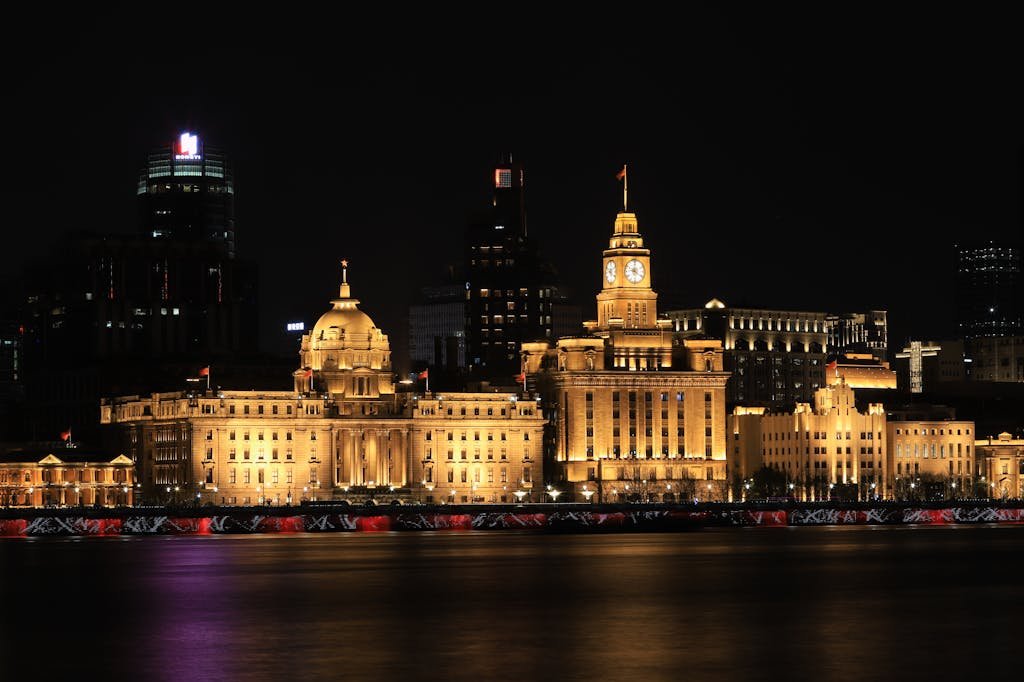
The Bund provides the iconic photo—a historical counterpoint of 1920s European colonialism facing the hyper-futuristic Pudong skyline. You watch global money flow here. The vibe is relentless, demanding.
- Priority Site: The Bund promenade and the Lujiazui Observation Decks (Shanghai Tower).
- Must-Do: Explore the former French Concession’s tree-lined avenues and boutique shops.
- Logistics: Maglev train connection from PVG airport is a unique experience. Infrastructure is peerless in Asia.
Shanghai defines the future. It’s a necessary counter-balance to the imperial past.
3. Xi’an: Ground Zero for History
If you seek history, you seek Xi’an. This city served as the capital for thirteen dynasties. It defines the beginning of the Silk Road. It holds the largest concentration of artifacts outside of the national museums.
The defining reason to visit is singular: the Terracotta Army.
The Terracotta Legacy
The Terracotta Army is not a museum exhibit. It is an archaeological site covering miles. Thousands of life-sized soldiers, each face unique, stand guard over the tomb of Qin Shi Huang. It is breathtaking. It is a quiet reminder of staggering imperial power.
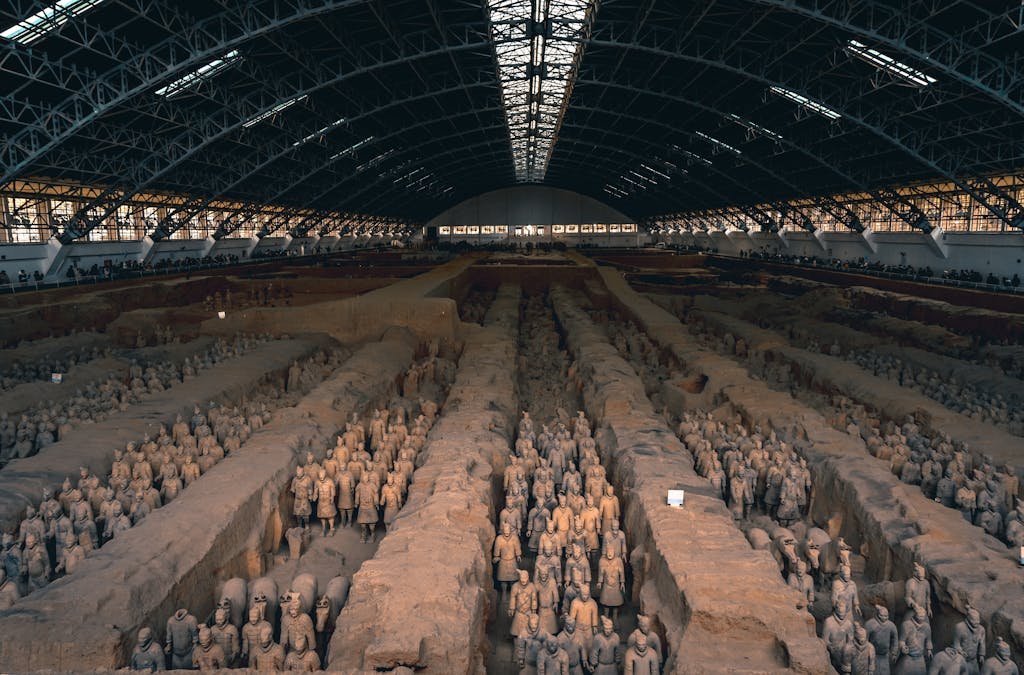
- Priority Site: The Terracotta Warriors and Horses Museum (allow a full day).
- Historical Note: Explore the beautifully preserved city walls. Cycling the perimeter is advised.
- Cuisine Focus: Try the local Shaanxi cuisine, especially *roujiamo* (Chinese hamburger).
Xi’an provides the deep historical anchor the itinerary requires.
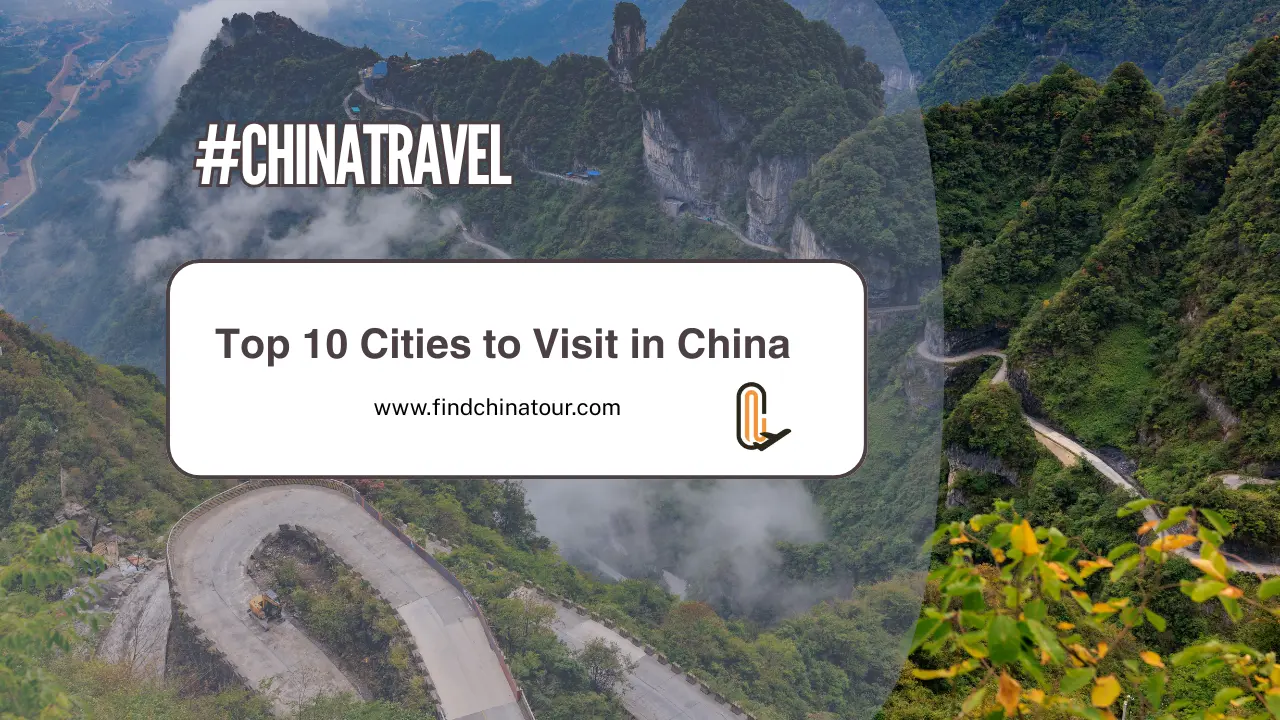
4. Zhangjiajie: Stone, Silence, and Scale
Move south from Changsha. Just a few hours away lies Zhangjiajie, one of China’s most visually arresting landscapes. If Chengdu explains lifestyle and languor, Zhangjiajie explains scale.
Changsha itself explains relaxed rhythms, bold food, and a lived-in authenticity that defines inland China. Zhangjiajie builds on that feeling—but replaces tea houses with cliffs, and city streets with vertical stone forests.
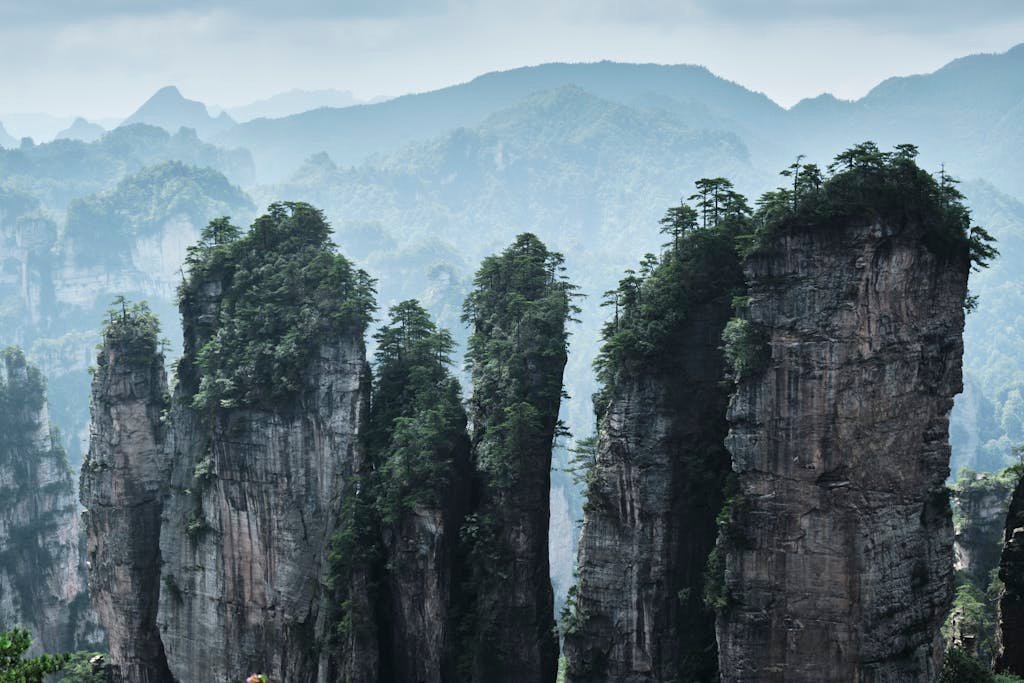
This is not a city you visit. It is a terrain you enter.
The Avatar Mountains
Visitors move through a highly managed but expansive environment—glass elevators, suspended walkways, and mountain paths carved into sheer rock. Despite the infrastructure, the experience remains overwhelming rather than artificial.
- Priority Site: Yuanjiajie Scenic Area (arrive early to avoid tour-group congestion and catch the morning mist).
- Perspective Shift: Walk the Golden Whip Stream at ground level to understand the true height of the pillars.
- Physical Reality: This is not passive sightseeing. Expect stairs, elevation, and long walking days.
Zhangjiajie does not slow the itinerary—it humbles it.
After Changsha’s ease, this landscape resets your sense of proportion and reminds you how small modern life is against China’s geography.
5. Guilin: Limestone and Landscape
Enough concrete. Guilin is necessary for its sheer, undeniable natural beauty. The region is defined by its karst topography—dramatic limestone peaks rising abruptly from the plains.
The city itself is fine. The surrounding landscape, particularly the area near Yangshuo, is world-class.
The Li River Journey
The main event is the Li River cruise. This journey, usually running between Guilin and Yangshuo, is visually stunning. The scenery appears on the 20 Yuan banknote for a reason. Get out of the city quickly. Rent a bike in Yangshuo. Explore rice terraces.
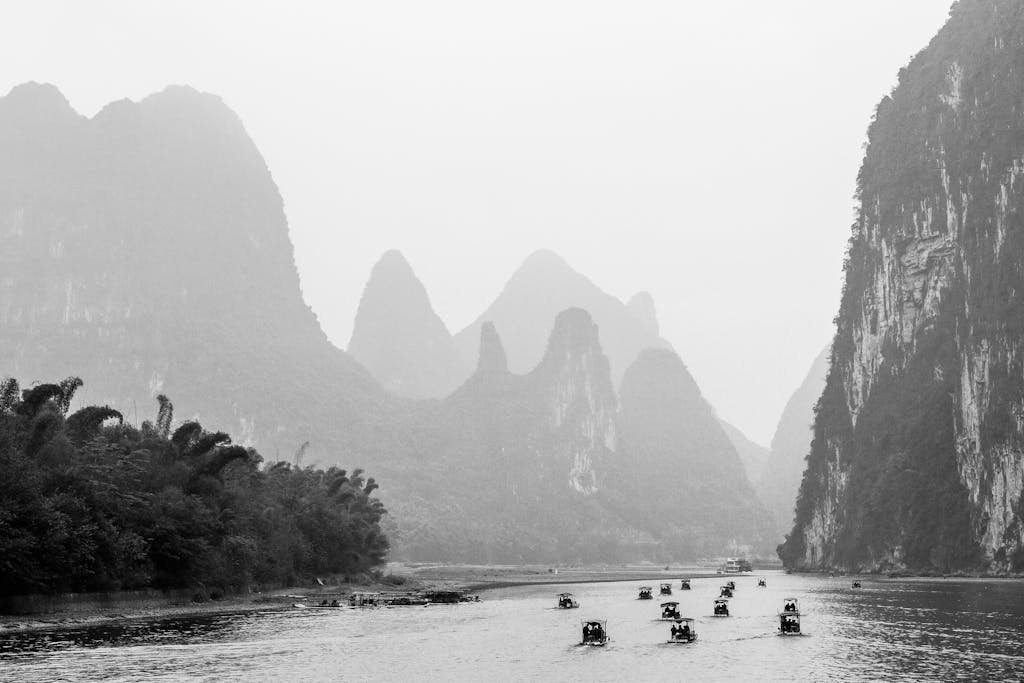
- Priority Site: Li River Cruise (book the better class of boat, worth the cost).
- Alternative View: Visit the Longji Rice Terraces (requires an additional overnight stay, worth the complexity).
- Activity: Bamboo rafting on the Yulong River near Yangshuo.
Guilin offers critical visual relief from the historical and urban pressure of the first four stops.
6. Chengdu: Lifestyle and Languor
Move west. We need a city that explains modern Chinese lifestyle and culture outside the eastern megalopolis. Chengdu, the capital of Sichuan province, delivers authenticity and a significantly slower pace.
This is the land of tea houses, spicy food, and the Giant Panda.

The Panda Diplomacy
The Chengdu Research Base of Giant Panda Breeding is widely recognized as the best location globally for viewing, studying, and supporting the conservation of these animals. Visitors see them in a highly managed, semi-natural environment. It is a genuine experience, not a zoo spectacle.
- Priority Site: Panda Base (go early, 7:30 AM, to see the pandas feeding and active).
- Cultural Immersion: Dedicate hours to a traditional tea house in Renmin Park. Observe local life.
- Cuisine Warning: Sichuan food is famous globally. Here, it is authentic. Expect *ma la* (numbing and spicy) flavors. Do not assume you can handle the heat.
Chengdu slows the itinerary down. It introduces the flavor of inland China.
7. Shenzhen: The Future, Accelerated
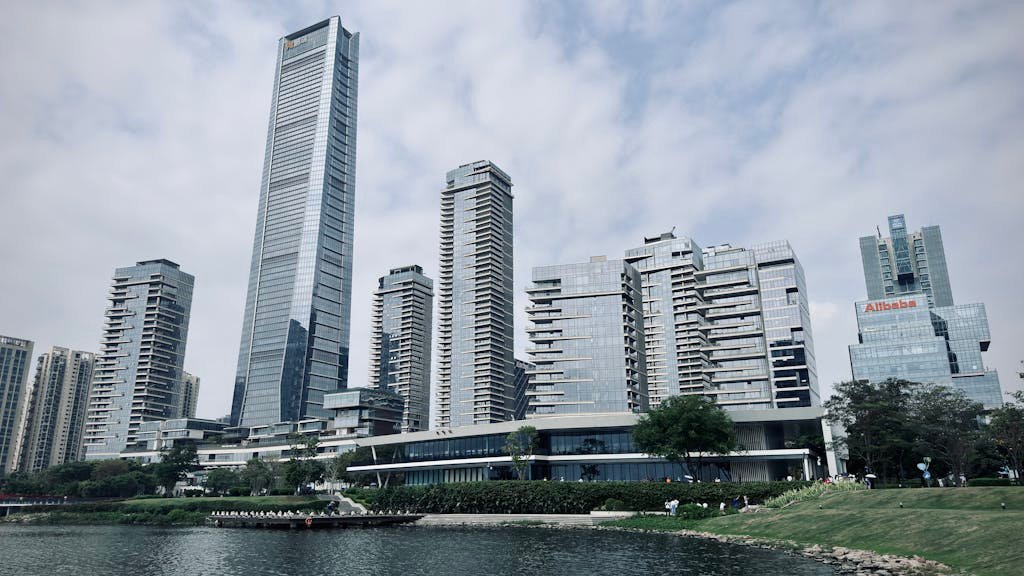
Shenzhen is the youngest megacity on this list. Forty years ago, it was a fishing village. Today, it is China’s Silicon Valley, the epicenter of hardware manufacturing and technological innovation. It is loud. It is fast. It is a proof-of-concept for the entire nation.
The Innovation Hub
Visiting Shenzhen is not about temples. It is about understanding where China is going. The architecture is futuristic. The logistics are hyper-modern. It serves as a necessary contrast to the historical weight of Xi’an or Beijing.
- Industry Focus: Visit the Huaqiangbei electronics market—a staggering display of commercial density.
- Border Note: Easily accessible from Hong Kong, making it a crucial gateway city.
- Logistics: Highly efficient subway system. Everything is digital. Be prepared to use mobile payments exclusively.
Shenzhen shows you the next fifty years.
8. Suzhou: Gardens and Canals
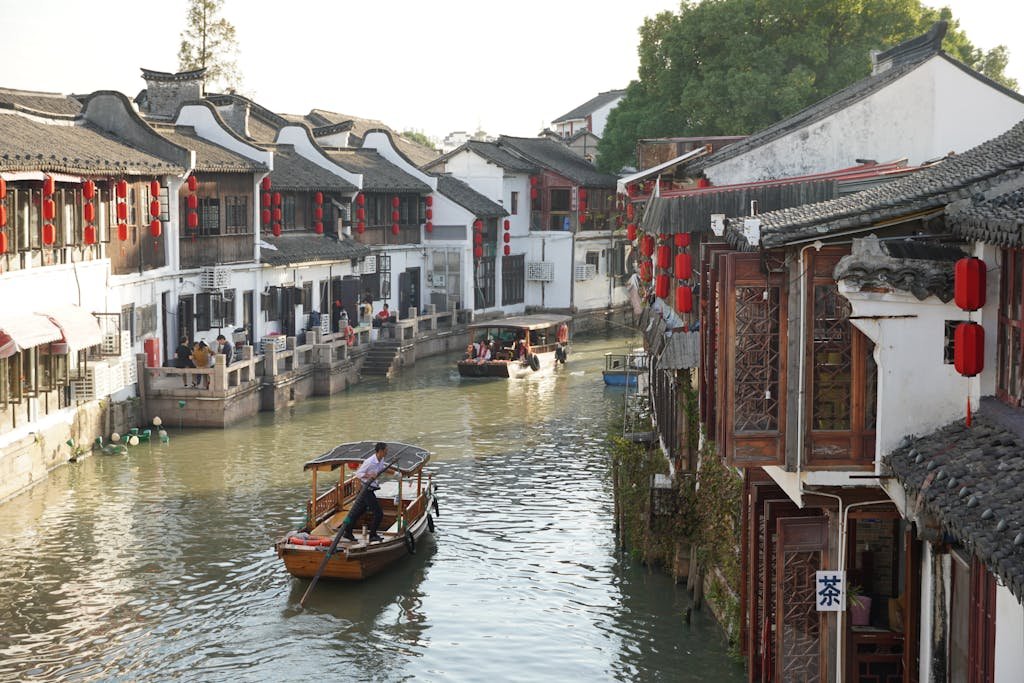
Suzhou, often called the ‘Venice of the East,’ is directly north of Hangzhou. It provides the definitive experience of classical Chinese garden architecture, a vital counterpoint to the monumental scale of Beijing’s imperial architecture.
The Art of Miniaturization
The gardens here are tight, intricate, and designed for philosophical reflection. They use geometry, rock placement, and water features to achieve an expansive feeling within a confined space. The city also maintains significant sections of preserved canals.
- Priority Site: Humble Administrator’s Garden or Lingering Garden (choose one; they are excellent examples).
- Historical Industry: Suzhou is famous for its silk production; tours detailing the historical process are worthwhile.
- Experience: Take a boat ride along the Shantang Street canal area.
Suzhou is detailed. It is highly civilized.
9. Lhasa: Altitude and Awe
Lhasa is the most logistically challenging location on this list, requiring permit applications and altitude acclimatization. However, if your goal is depth and cultural uniqueness, Lhasa is irreplaceable. It is the spiritual heart of Tibet.
A Critical Cultural Experience
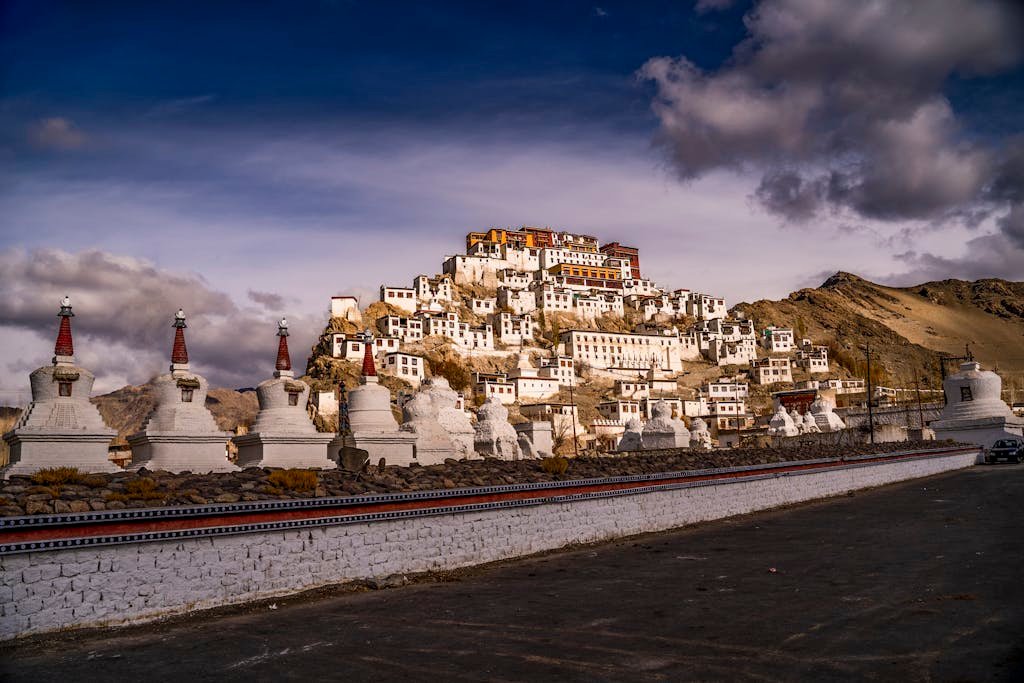
The Potala Palace dominates the city skyline—a monumental fortress built high on a hill, formerly the winter residence of the Dalai Lamas. The atmosphere is intense, spiritual, and utterly distinct from Han China.
- Logistics Warning: Mandatory permits required for travel to Tibet. Must travel with a booked tour guide. Acclimatization is essential.
- Priority Site: Potala Palace and Jokhang Temple (observe the prayer rituals).
- Impact: The cultural density here provides a necessary perspective on China’s complex ethnic landscape.
Lhasa requires planning. It delivers maximum reward.
10. Hong Kong: The Necessary Outlier
Yes, Hong Kong remains a separate entity in experience, jurisdiction, and logistics. Including it when you visit China is strategic. It offers the best transitional access point and a unique historical perspective not found on the mainland.
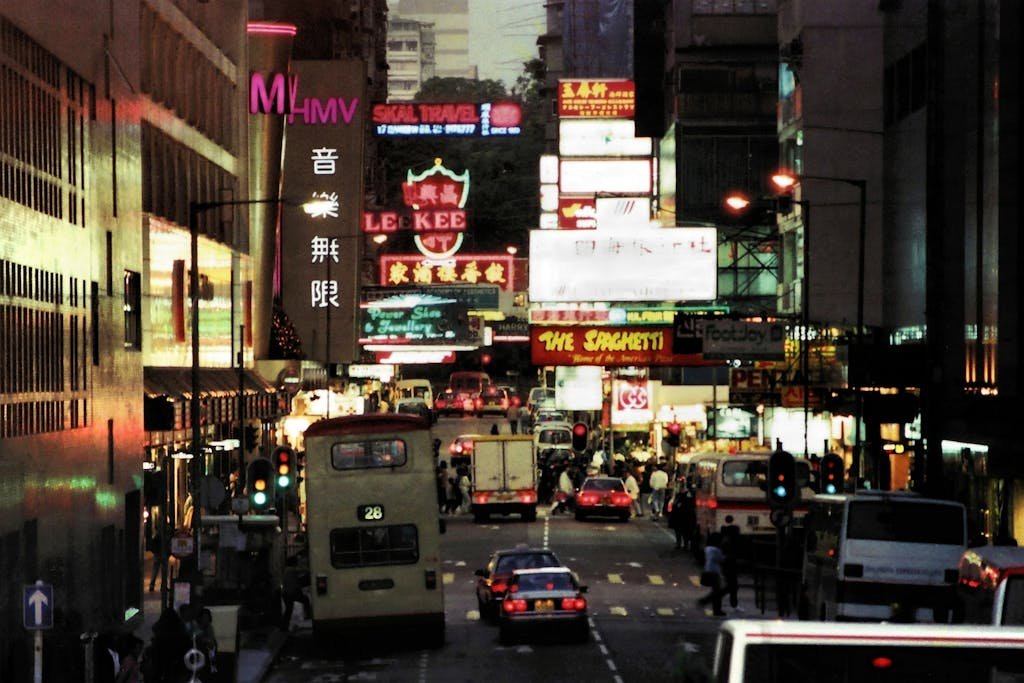
Hong Kong is pure energy, dominated by vertical living and global commerce.
Density and Dynamics
The city operates on an entirely different rhythm. It offers world-class dining, hiking trails, and the staggering view from Victoria Peak. It is Westernized, but relentlessly efficient and deeply Chinese in its underlying drive.
- Gateway: Excellent transport hub; often the easiest entry/exit point for mainland travel.
- Priority Site: Victoria Peak viewing point and the Star Ferry cross-harbor journey.
- Travel Strategy: Use Hong Kong as a detox/recharge station from the mainland. Efficient, convenient, predictable.
Hong Kong is the perfect opening or closing chapter for a serious China itinerary.
The China Reality Check: Logistics That Matter
Visiting China requires more than just booking flights. You must address the operational complexities upfront. Do not treat this like a trip to Europe.
Connectivity and Access
The critical obstacle for Western travelers is the Great Firewall. Google, Facebook, Twitter, and most Western news sites are inaccessible without a Virtual Private Network (VPN).
Mandatory Pre-Trip Action: Install and test a robust, paid VPN service *before* you land. ExpressVPN, NordVPN, or similar reliable providers are necessary tools. Assume nothing works natively.
Money and Movement
China is rapidly becoming a cashless society. Western credit cards are often not accepted outside high-end international hotels. The local standard is mobile payment via Alipay or WeChat Pay.
- Strategy: Download and register the international versions of Alipay or WeChat Pay. Link your international credit card before departure. Cash is often seen as archaic.
- Travel: High-speed rail is superior to flying for journeys under six hours. It is efficient, timely, and vastly more comfortable than domestic air travel. Book tickets through official apps or reputable third-party agents (like Trip.com).
Language Barrier Management
In the Tier 1 and 2 cities (Beijing, Shanghai, Xi’an), you will manage. However, outside of tourist zones, English fluency drops sharply.
Solution: Use translation apps (Google Translate, Baidu Translate) with the offline packs downloaded. Have hotel names and addresses written in *Chinese characters* for taxi drivers. Do not rely on phonetic English.
Structuring Your Visit to China Itinerary (Efficiency Model)
For a first-time visitor aiming for high impact, structure matters more than speed. A realistic 14-day trip focuses on the essential core:
- Phase 1: The Imperial Core (5 days)
- Beijing (4 days): History, Politics, Great Wall.
- Xi’an (1 day travel + 1 day): Terracotta Army.
Phase 2: The Modern Engine (4 days)
- Shanghai (3 days): Finance, Architecture, Infrastructure.
- Suzhou (1 day): Culture, West Lake (Day trip from Shanghai).
Phase 3: Culture & Nature (5 days)
- Zhangjiejie (3 days): Mountain hiking, Food, Lifestyle.
- Guilin/Yangshuo (2 days): Karst landscape, River cruise.
This structure maximizes domestic flight efficiency and ensures you hit the three necessary pillars: Imperial History, Modern Economy, and Regional Culture.
Final Verdict: Choose Wisely
China is vast. Do not try to conquer it all. Select your locations based on intent.
- If you seek political history: Beijing, Xi’an, Lhasa.
- If you seek technological velocity: Shanghai, Shenzhen.
- If you seek pure landscape: Guilin, Zhangjiejie
Successful travel in China is about targeted exposure. These ten cities provide the necessary breadth and depth to genuinely understand the current geopolitical and cultural landscape. Book the VPN. Learn the mobile payment systems. Go with purpose. You will not regret it.